


Learn how to start a boba tea business with our complete guide. Discover startup costs, profit margins, business planning tips, and franchise opportunities.


How to Open a Boba Shop: A Step-by-Step Guide to Start Your Successful Boba Tea Busines
25.09.17
Why Bubble Tea Is the Next Big Business Opportunity
The bubble tea industry is experiencing explosive growth that shows no signs of slowing down. Valued at $2.63 billion in 2024, the global market is projected to reach $4.78 billion by 2032, expanding at a compound annual growth rate of 7.81%. This isn't just a trend; it's a full-blown revolution in how consumers enjoy beverages, particularly among Gen Z and millennials, who now account for the overwhelming majority of bubble tea purchases. A CLSA survey found that 94% of young adults aged 20-29 bought boba tea in recent months, demonstrating unprecedented youth market penetration.
What started as a beloved Taiwanese street drink in the 1980s has transformed into a worldwide phenomenon. Boba culture has gone mainstream, with bubble tea shops popping up in shopping districts, college campuses, and urban centers from Los Angeles to London. Major coffee chains and restaurants are now adding boba drinks to their menus, validating what independent shop owners have known for years: bubble tea isn't going anywhere.
The appeal is undeniable. Today's consumers crave customization, and bubble tea delivers, offering endless combinations of tea bases, sweetness levels, ice preferences, and toppings. Beyond taste, there's the Instagram factor: colorful drinks with chewy tapioca pearls create shareable moments that drive organi
c social media marketing. TikTok alone is responsible for driving 74% of consumer familiarity with bubble tea, turning the beverage into more than just a drink; it's become a lifestyle statement and cultural touchpoint that transcends borders.
For entrepreneurs, this convergence of rising demand, cultural momentum, and demographic enthusiasm creates a rare window of opportunity. Whether you're wondering how to open a boba shop or exploring how to start a boba tea business, the timing has never been better to enter this thriving market.
What It Takes to Start a Boba Tea Business
Starting a successful boba tea business requires careful planning and a clear understanding of the financial and operational requirements. While the bubble tea industry offers tremendous profit potential, entrepreneurs need to be realistic about startup costs, equipment needs, and supply chain management to build a sustainable operation.
Estimate the Startup Costs
The initial investment for how to open a boba shop typically ranges from $100,000 to $300,000, depending on location, size, and business model. Key expenses include:
-
Lease and build-out costs: $30,000 to $100,000 for deposits, renovations, and interior design
-
Equipment and machinery: $20,000 to $50,000 for essential tools and appliances
-
Initial inventory: $5,000 to $15,000 for tea, tapioca pearls, syrups, cups, and supplies
-
Licenses and permits: $2,000 to $5,000 for health permits, business licenses, and food safety certifications
-
Marketing and branding: $5,000 to $20,000 for signage, grand opening promotions, and digital marketing
-
Working capital: $15,000 to $30,000 to cover operating expenses for the first 3 to 6 months
For those exploring how to start a boba tea business on a tighter budget, starting with a smaller footprint like a kiosk or takeout-focused model can significantly reduce costs while still capturing strong customer demand.
Essential Equipment You'll Need
Quality equipment is the backbone of any successful bubble tea operation. Your shop will need:
-
Sealing machines: For creating the signature sealed cup tops (manual or automatic options available)
-
Shaker machines: For thoroughly mixing drinks and creating the perfect texture
-
Tapioca pearl cookers: Specialized equipment to cook boba pearls to the ideal chewy consistency
-
Commercial refrigerators and freezers: For storing milk, fresh fruit, and temperature-sensitive ingredients
-
Ice machines: High-capacity units to meet daily demand
-
POS system: Modern point-of-sale technology for order management, inventory tracking, and sales analytics
-
Blenders and mixers: For fruit-based drinks and smoothie variations
-
Storage containers and dispensers: For organizing syrups, toppings, and dry ingredients
Tea brewing equipment ranges from $1,000 to $3,000, while refrigeration units cost between $2,000 and $5,000. Tapioca pearl cookers run around $500 to $1,500, and sealing machines range from $800 to $2,000. Investing in reliable, commercial-grade equipment from the start prevents costly breakdowns and ensures consistent product quality, keeping customers coming back.
Key Ingredients and Supply Chain
Your supply chain can make or break your business. Consistency in taste and quality depends on sourcing the right ingredients from reliable suppliers:
-
Tea bases: Premium loose-leaf or tea bags (black, green, oolong, jasmine) form the foundation of every drink
-
Tapioca pearls: The star ingredient requires suppliers who can deliver fresh, high-quality boba with consistent texture
-
Milk and dairy alternatives: Whole milk, non-dairy creamers, oat milk, almond milk, and other plant-based options
-
Sweeteners: Sugar syrups, honey, agave, and sugar-free alternatives to accommodate customer preferences
-
Flavored syrups and powders: Fruit flavors, taro, matcha, brown sugar, and specialty options
-
Toppings: Beyond tapioca, consider popping boba, jelly cubes, pudding, and fresh fruit
-
Cups, straws, and packaging: Branded, eco-friendly supplies that enhance the customer experience
Starting inventory for tea leaves, milk, sweeteners, tapioca pearls, and toppings can initially cost around $2,000 to $5,000, depending on your menu's complexity and volume. Establishing relationships with multiple suppliers creates backup options and negotiating power. Many successful shop owners work with specialized bubble tea distributors who understand the industry and can provide consistent quality at competitive prices. Testing products before committing to large orders ensures you're serving the best possible drinks to your customers.
Step by Step to Start Your Boba Tea Business Plan

Creating a comprehensive business plan is your roadmap to success when learning how to open a boba shop. A well-structured plan clarifies your vision, attracts investors, and helps you navigate challenges. Here's how to build a winning strategy for how to start a boba tea business.
Determine the Shop Size
Choose between a takeout-focused model or a dine-in experience. Takeout models (300 to 800 square feet) offer lower rent and faster service, ideal for high-traffic areas like malls or transit hubs. Dine-in cafés (800 to 1,500 square feet) require more investment but encourage longer visits and higher spending, perfect for creating community gathering spots.
Decide the Location
Location is one of the biggest factors determining success, as young people are the top consumers of boba tea. Prioritize high-visibility areas near schools, universities, shopping centers, or office buildings with strong foot traffic. The bubble tea industry has grown at 9.1% annually to reach $2.6 billion, with successful shops benefiting from strategic location choices. Balance rent costs against location benefits to maintain healthy profit margins.
Design Your Menu
Start with classic favorites like milk tea and fruit tea, then develop 3 to 5 signature drinks that set you apart. Include seasonal options to keep customers returning and offer customization for sweetness levels, ice, and toppings. Accommodate dietary preferences with dairy-free alternatives and sugar-free sweeteners to capture health-conscious consumers.
Plan Your Budget and Set Revenue Goals
The average annual revenue for bubble tea shops nationwide is approximately $325,000, with profit margins typically ranging from 20% to 30%. Bubble tea businesses typically achieve gross margins of 65% to 80% and net margins of 10% to 20% after all expenses. Create detailed projections for daily sales, fixed costs, variable expenses, and break-even points to set realistic targets.
Understand Legal Requirements and Health Regulations
Secure business licenses, food service permits, employee health certifications, and sales tax permits before opening. Contact your local health department early to understand specific requirements for food preparation, storage, and service. Obtain proper insurance coverage, including general liability and workers' compensation.
Develop an Operations and Marketing Plan
Map out daily workflows, staffing roles, and quality standards. Invest in a reliable POS system for inventory and sales tracking. Build buzz through social media (Instagram, TikTok), grand opening promotions, local partnerships, and influencer marketing.
Consider Franchise or Partnership Options
Franchising offers established branding, training, and support with fees typically ranging from $20,000 to $50,000. Independent ownership provides creative control but requires more effort to build brand recognition. Weigh trade-offs based on your experience and risk tolerance.
Joining a Boba Franchise Can Set You Up for Success
When deciding between independent ownership and franchising, understanding the key differences can save you time, money, and headaches. While both paths offer opportunities, a franchise provides strategic advantages that significantly reduce risk and accelerate your path to profitability.
Independent vs. Franchise: What's the Difference?
Independent bubble tea shops offer complete creative control over branding, menu, and operations, with no franchise fees or royalty payments. However, you start from zero with no established customer base and must handle everything from sourcing ingredients to designing store layouts. Food franchises generally report higher success rates in their first five years compared to independent businesses, especially in competitive urban markets.
Franchising means operating under an established brand with proven systems. Franchise fees typically range from $35,000 for a single location, with total initial investments between $100,000 - $350,000. You'll pay ongoing royalty fees (typically 4% to 8% of gross sales) but gain immediate brand recognition, comprehensive training, and operational support.
Why a Franchise Gives You a Head Start
Well-established brands like Gong Cha, CoCo Fresh Tea & Juice, and Kung Fu Tea provide franchisees with instant brand recognition and customer loyalty, allowing you to generate revenue faster. Rather than spending years building awareness, you immediately benefit from national marketing campaigns, established supplier relationships, and tested recipes that customers already love.
Franchises provide comprehensive training programs covering drink preparation, inventory management, customer service, and team leadership. This support ensures that even those without prior food service experience can run a successful location confidently. You also receive ongoing assistance with site selection, store design, equipment purchasing, and grand opening support.
Common Mistakes First-Time Owners Make When Going Independent
Independent businesses face a higher risk without an established brand and proven business model, starting from zero to build a loyal customer base. Common pitfalls include:
-
Inconsistent product quality: Without standardized recipes and training, drink quality varies
-
Poor location choices: Lack of data-driven site selection leads to low-traffic areas
-
Weak branding: Building brand recognition from scratch requires significant time and marketing budget
-
Supply chain issues: Difficulty negotiating favorable pricing without franchise buying power
-
Operational inefficiencies: Learning through trial and error rather than proven systems
While independent ownership offers creative freedom, franchising provides a tested blueprint for success, reducing the learning curve and minimizing costly mistakes that can sink new businesses.
Choose Wanpo Tea as Your Franchise Partner
For entrepreneurs seeking an authentic, globally recognized bubble tea brand with comprehensive support, Wanpo Tea stands out as the ideal franchise partner.
Authentic Taiwanese Heritage, Loved Worldwide
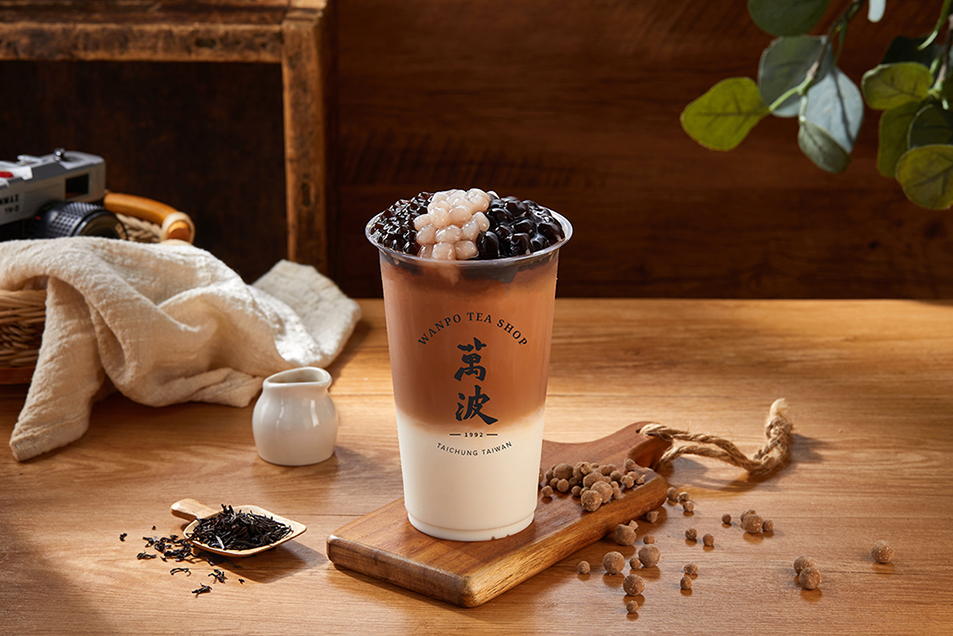
Wanpo Tea Shop takes pride in bringing authentic Taiwanese tradition to every cup, using only the freshest ingredients sourced directly from trusted suppliers in Taiwan. Founded with the cultural concept of military dependents' village heritage, Wanpo distinguishes itself from other brands through its commitment to quality and traditional Taiwanese tea culture. Wanpo insists on using indigenous tea and golden sugar No.2 as basic beverage ingredients, with high-quality seasonal fruits strictly selected and delivered directly from production sources.
With locations established across Texas, California, New York, and Washington, Wanpo has successfully brought Taiwan's beloved tea tradition to American customers who appreciate authentic flavors and quality ingredients.
Comprehensive Training and Operation Support
Wanpo provides personalized guidance throughout your entrepreneurial journey, from site selection and store setup to staff training and ongoing operations. The $35,000 franchise fee secures your spot in the network and provides access to extensive training programs covering everything from daily operations to marketing strategies.
Wanpo provides systematic educational training before opening a new chain store, with a simplified production process that uses standard SOPs and a professional management team composed of seasoned talent. You'll never be left to figure things out alone; the dedicated support team ensures you have everything needed to thrive.
Proven Success and Ongoing Marketing Assistance
Wanpo provides national marketing campaigns, digital marketing strategies, and eye-catching local store materials, and participates in a marketing fund that amplifies everyone's efforts. The specialized R&D team continuously develops new products and optimizes best-selling beverages, ensuring your menu stays fresh and competitive.
With Wanpo's proven business model, established brand recognition, and commitment to quality in every cup, you're positioned for success from day one. Join a franchise network that values authenticity, supports its partners, and delivers the genuine taste of Taiwan to bubble tea enthusiasts across America.
Ready to Start Your Own Boba Business?
The bubble tea industry is booming, and there's never been a better time to turn your entrepreneurial dreams into reality. With Wanpo Tea's proven business model, comprehensive training, and ongoing support, you don't have to navigate the challenges alone. Join a globally recognized brand committed to quality, authenticity, and your success.
Learn how Wanpo Tea helps entrepreneurs build successful boba shops with full training and support.
